

Lake Ndutu
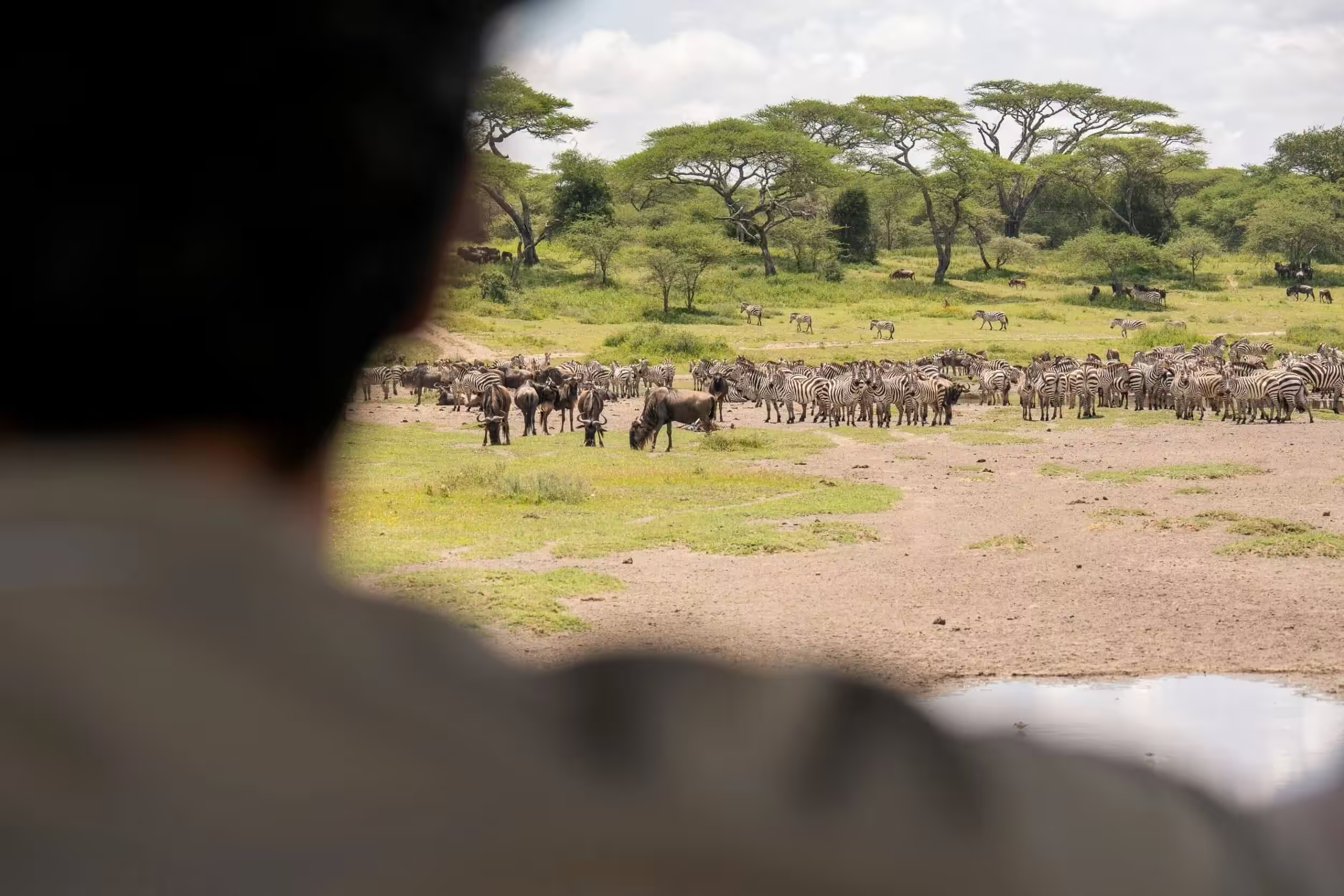
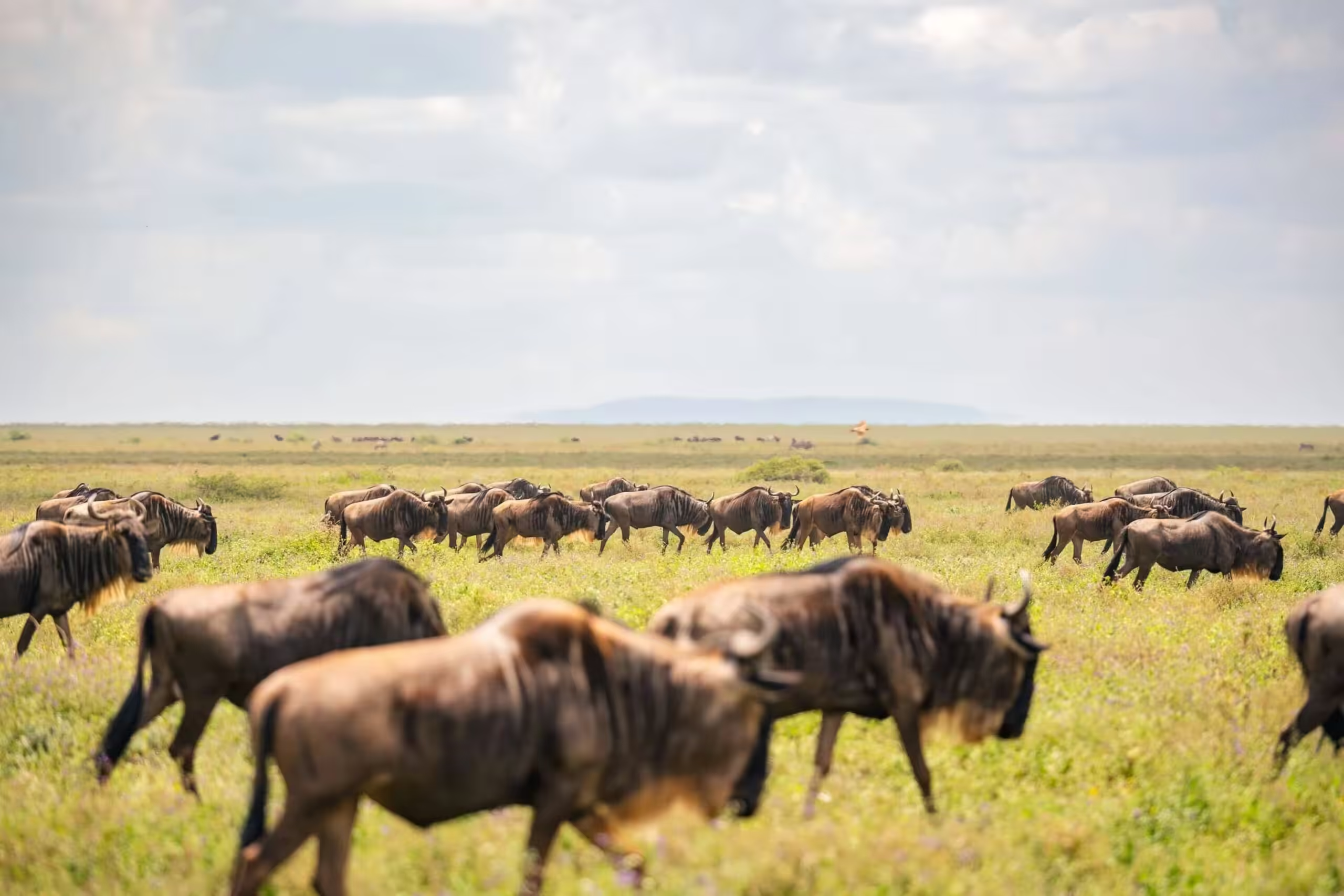
The best game viewing spot is around Lake Ndutu, where enormous herds congregate. It is a shallow alkaline lake that is located on the eastern border of the Serengeti National Park. In 1973, the shores of Lake Ndutu were the location of an archaeological excavation site about 140 square meters that led to the discovery of the Ndutu cranium and several remains of tools from over 500.000 years ago.
Today it serves as a water source for the animals and shares the same basin as lake Masek that is located a short distance east of it – but inside Ngorongoro conservation area.
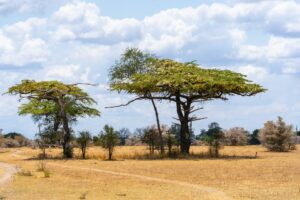
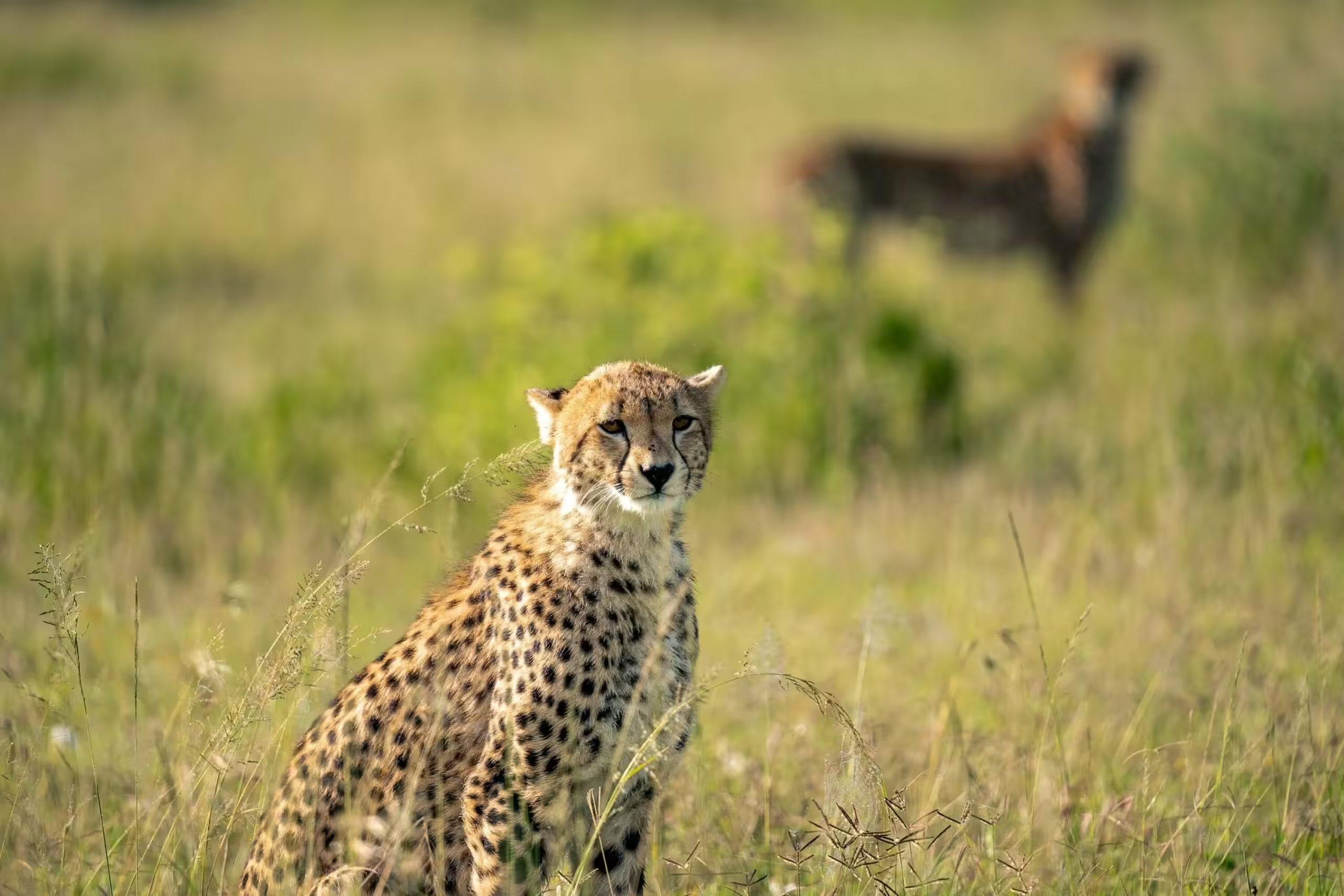
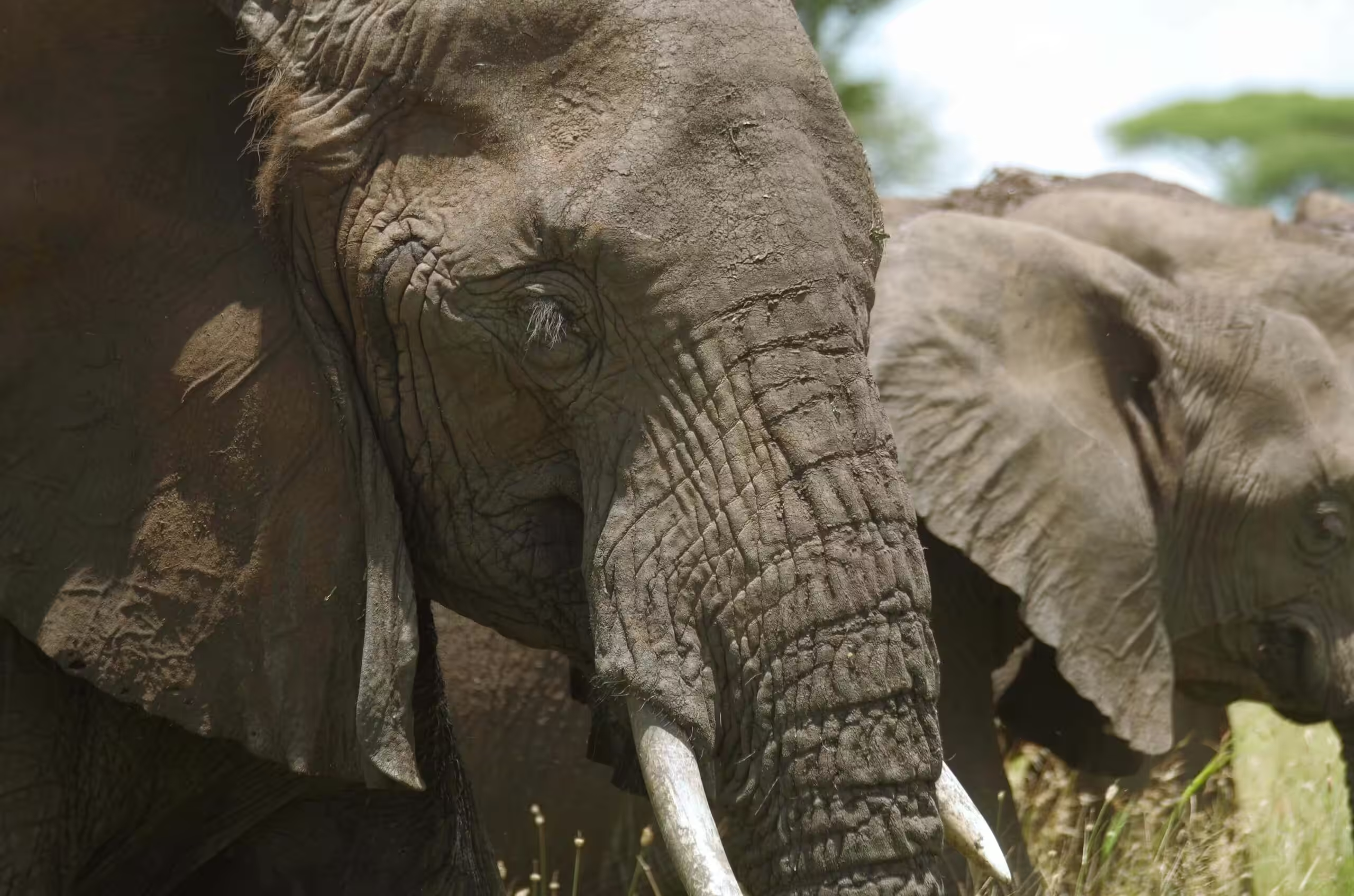
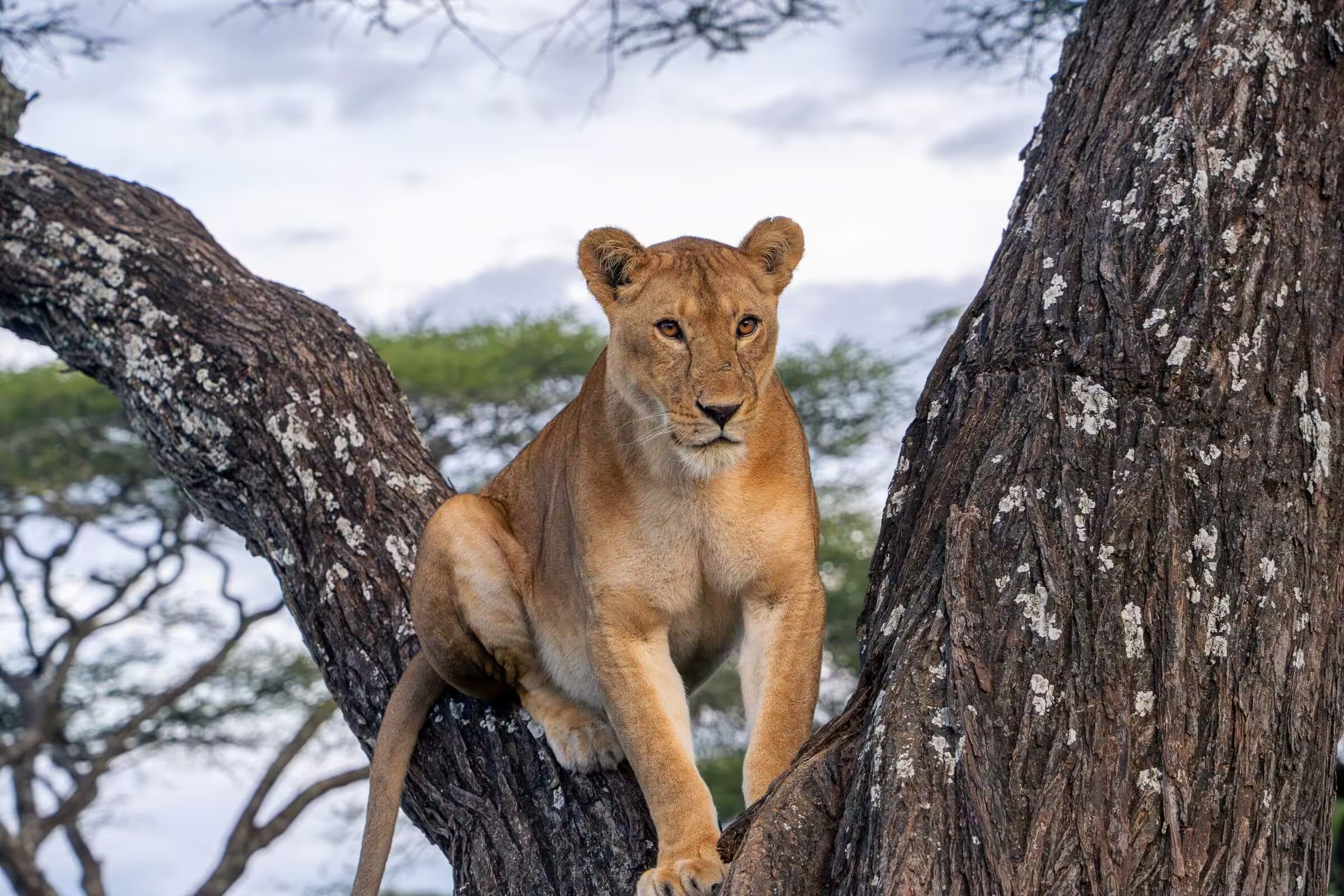
The forests and granite Kopjes around Lake Ndutu are also home to lots of game outside of the migration months.
Excursions around Ndutu
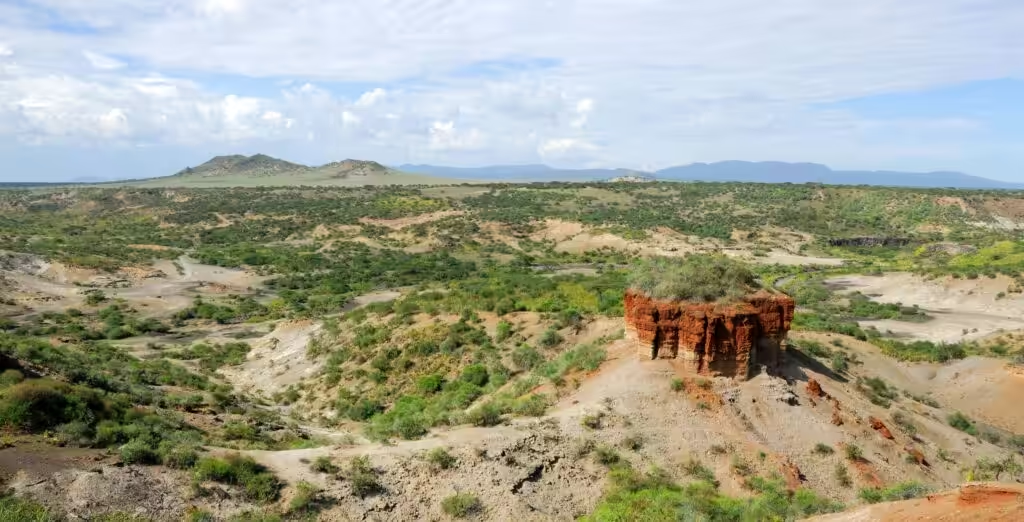
Olduvai Gorge (Maasai spelling is Oldupai, which means “the place of the wild sisal”) is one of the world’s most significant paleoanthropological sites. It is a steep-sided ravine in the Great Rift Valley, about 48 km long. Located 25 km from Lake Ndutu and Lake Masek, the gorge cuts into Pleistocene lake bed sediments up to a depth of 90 m. Remains of the earliest evidence of the existence of our human ancestors were found here that have proven invaluable in furthering understanding of early human evolution. The hundreds of fossils (bones) discovered here date back millions of years.
You can also visit a small museum at this spot to learn about the fascinating excavations and discoveries that have taken place here.
Best time to visit
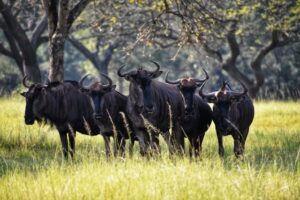
The best months to visit Ndutu Region are from end of December, when the Great Migration herds start to arrive from the north, until April when the millions of wildebeest, zebra and gazelle start trekking northwards again. In the early months of the year – with a peak in February and March – the wildebeest herds are calving on the grassy plains.
Travel Tips from our experts about Ndutu
My name is Hamisi, and I am a guide in Ndutu for 15 years. Most of our guests are impressed to see so many animals at once! Of course, the Great Wildebeest Migration is an amazing spectacle to witness for all our guests. Watching the young being born and making their first steps is a great experience and offers plenty of opportunities for fantastic photographs.
How long to stay? 2 days
Which hotel?
- Serengeti Heritage
- Lake Ndutu Luxury Lodge
- Tanzania Bush Camp
- Ndutu Safari Lodge
Travel time to Ndutu
Ngorongoro Crater – Ndutu: 1-hour drive
Central Serengeti – Ndutu: 3-hour drive
Lake Manyara – Ndutu: 3-hour drive