
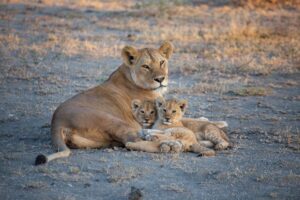
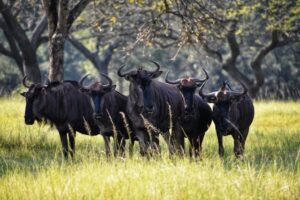
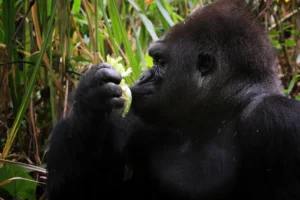
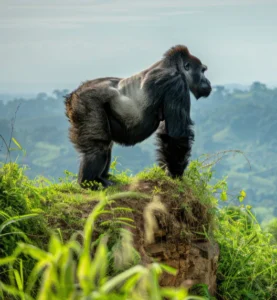
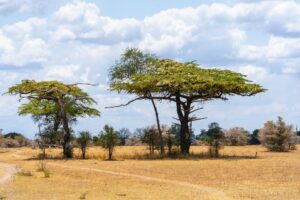


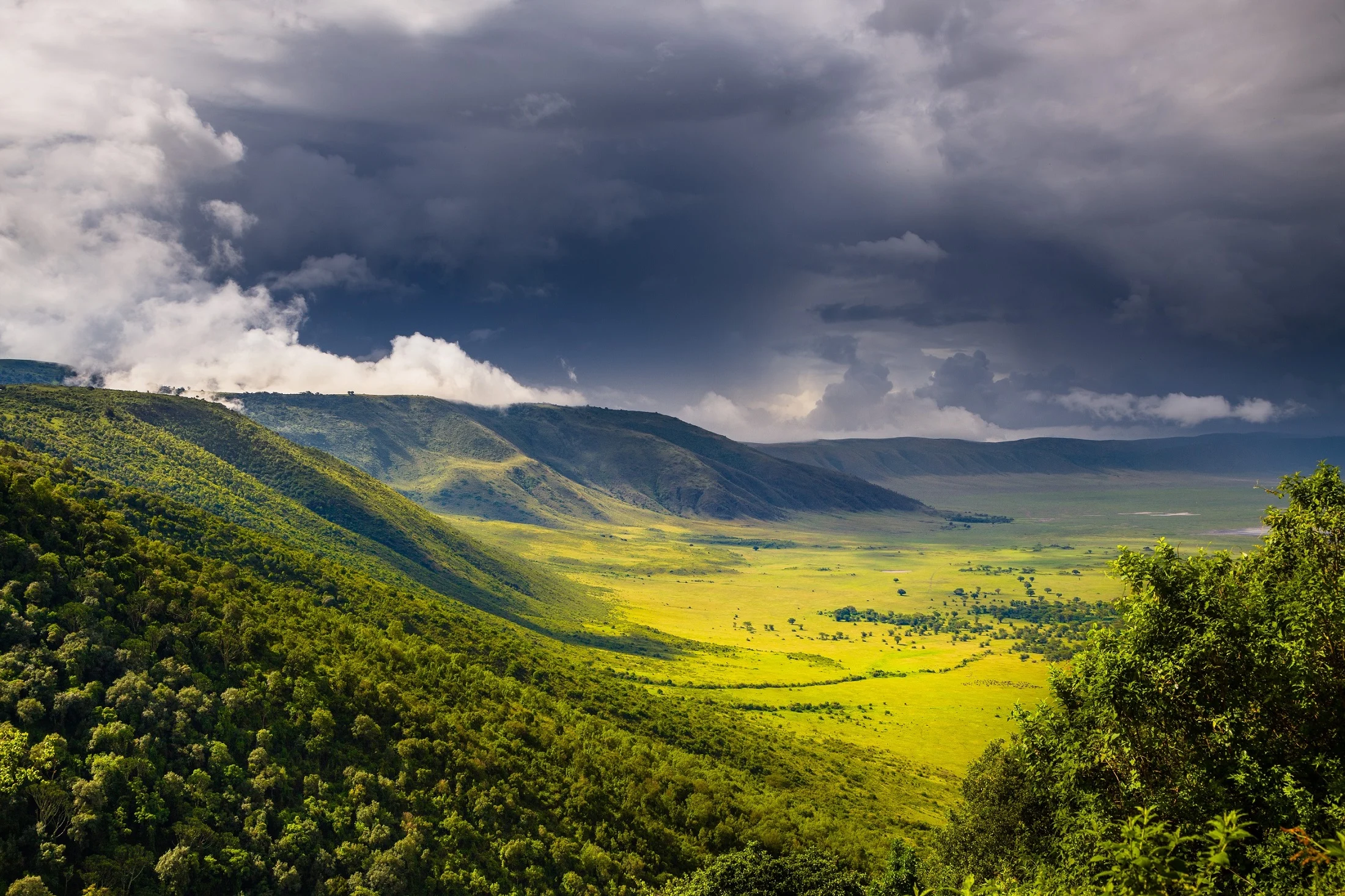
The Ngorongoro Conservation Area is home to the world-famous Ngorongoro Crater, the largest intact volcanic caldera on Earth. The Ngorongoro Conservation Area spans from Serengeti National Park in the north, to the Great Rift Valley in the east. In total, the conservation area covers more than 8,000 km² (3,200 sq. miles). It consists of the Ngorongoro Crater, Ndutu, Olduvai Gorge, Empakaai, Olmoti Crater and Oldonyo Lengai Mountain. The mix of forests, valleys, savanna, craters, lakes, and swamps is home to a wide range of animals.
Natural wonder Ngorongoro Crater
The famous Ngorongoro Crater is the main feature of this area. Two to three million years ago, the large volcano exploded and collapsed on itself. As a result, the crater formed, which then created a unique ecosystem with a wide variety of vegetation.
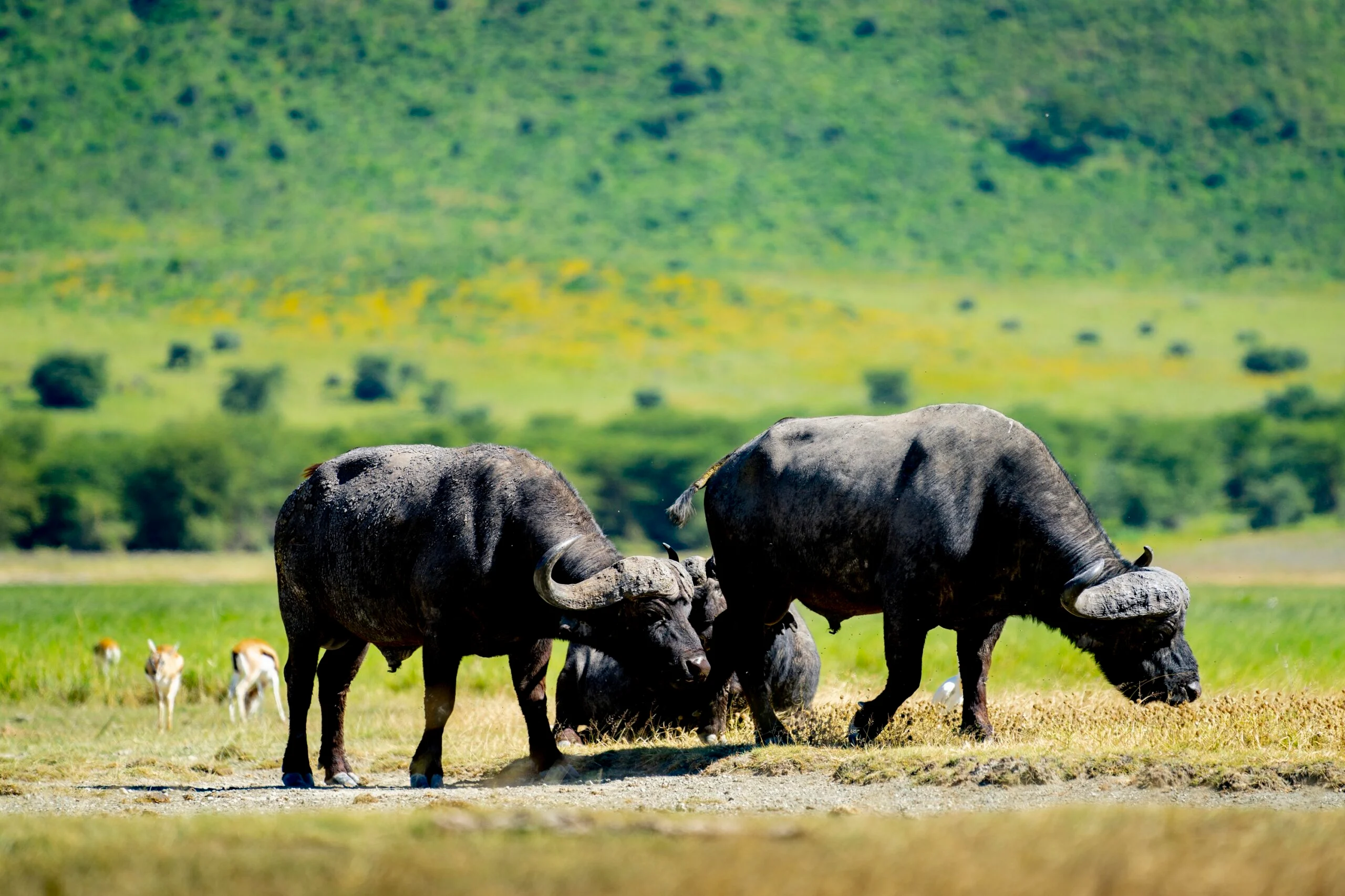
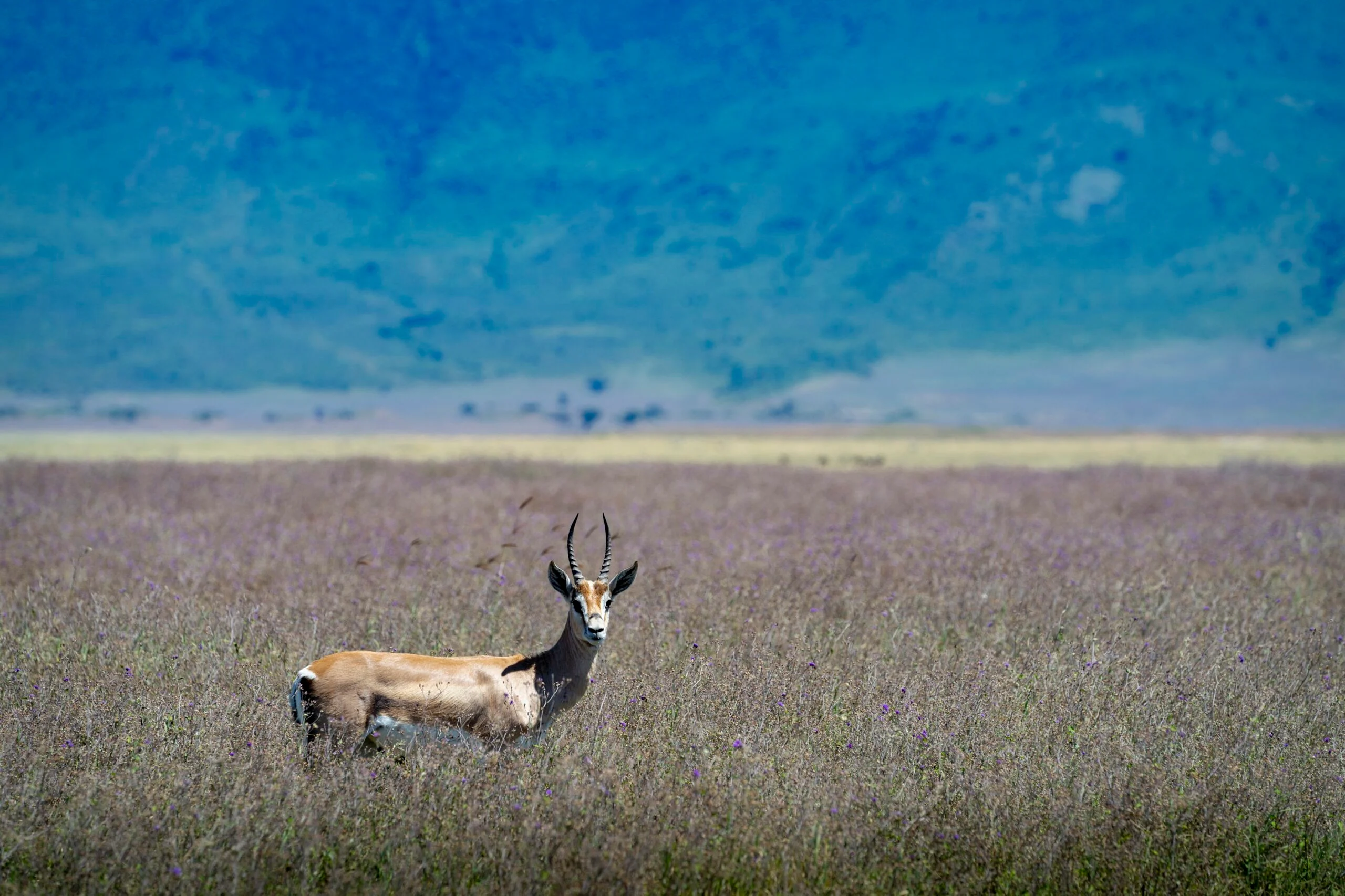
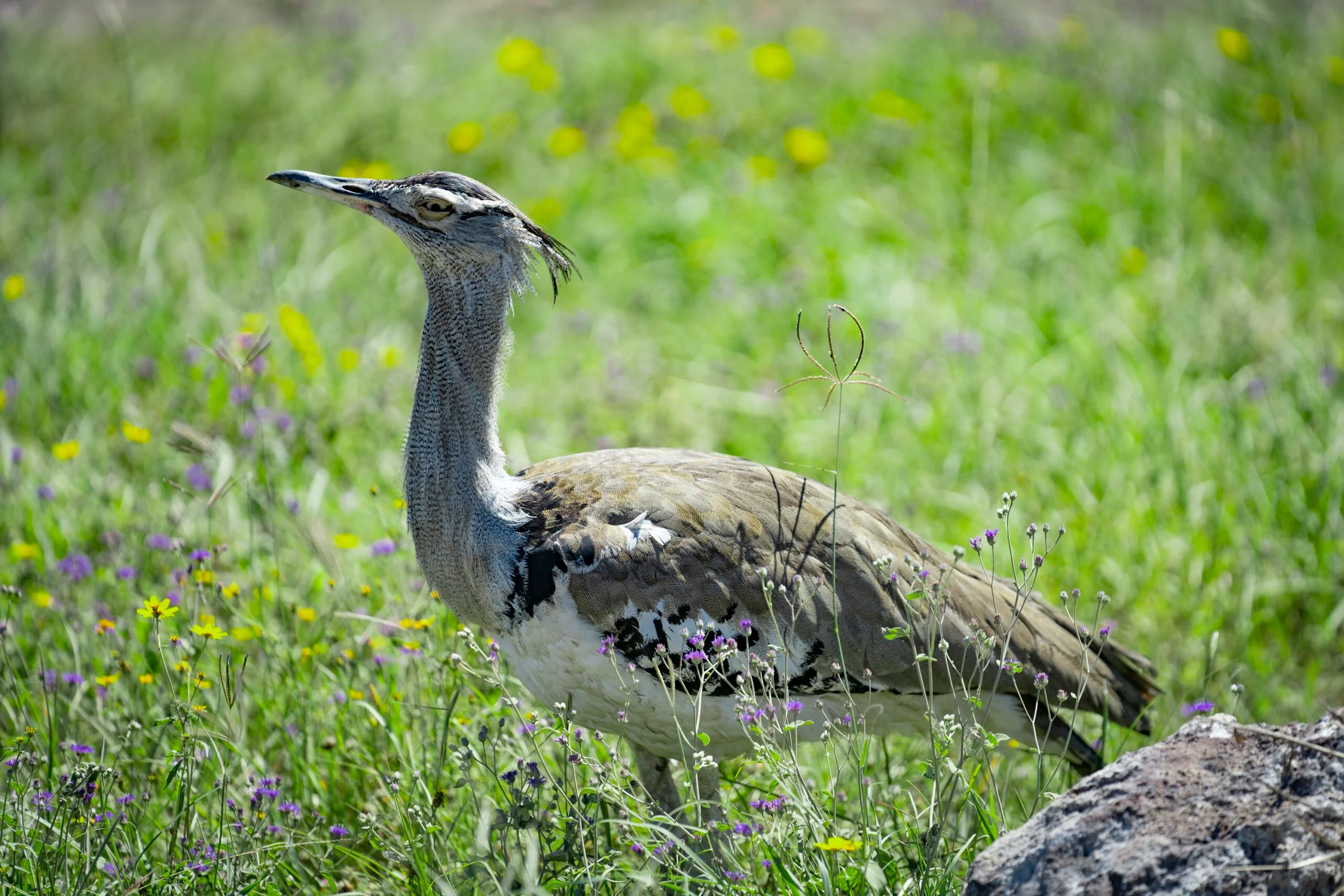
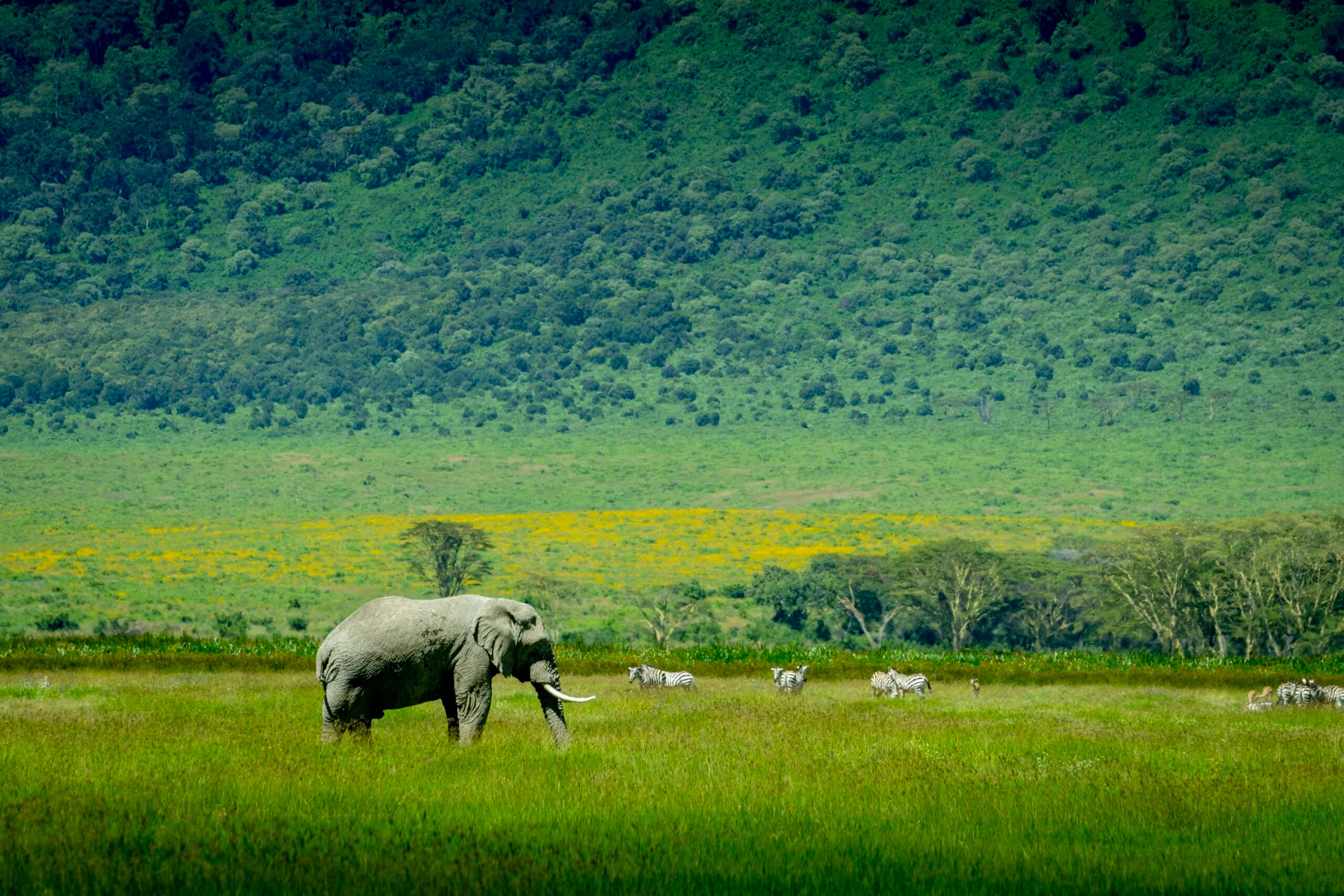
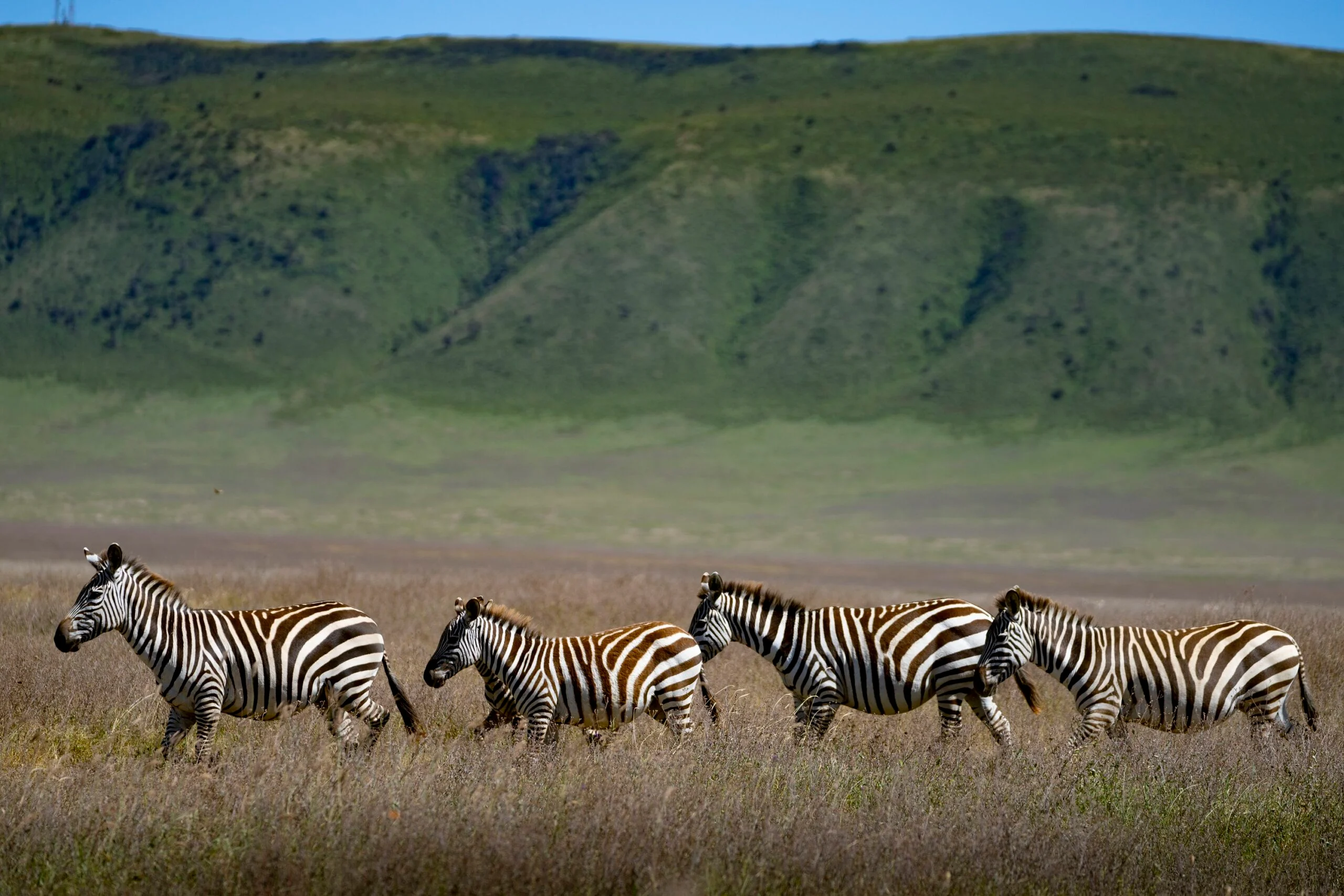
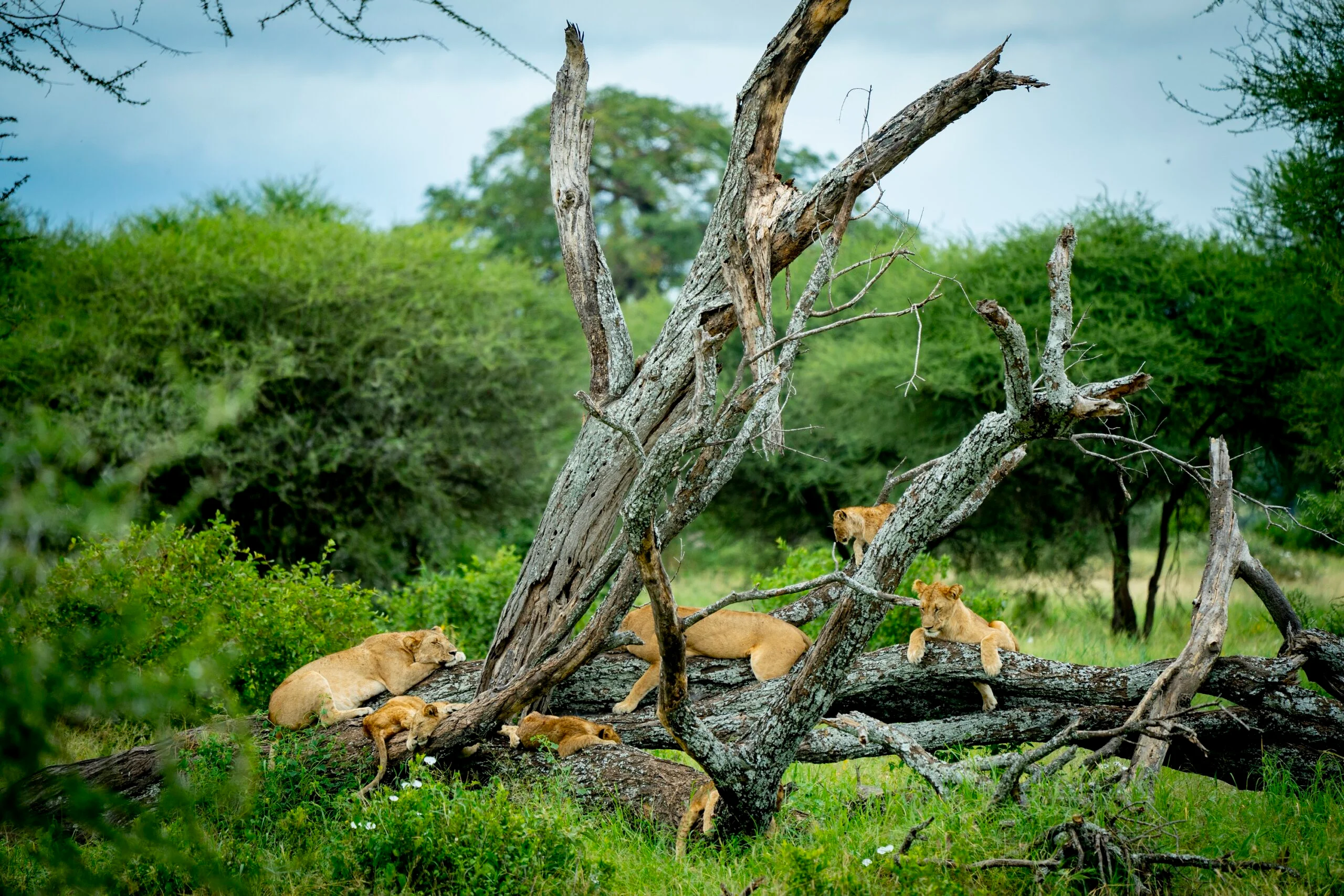
Today, the crater is home to the highest concentration of wildlife in Africa. It is home to zebras, buffaloes, warthogs, baboons, elephants, flamingos, ostriches, and hippos. You can find a high population of predators, including lions, hyenas, jackals, cheetahs, and leopards. And a big attraction of the Ngorongoro Crater are of course the Big Five – buffalo, elephant, leopard, lion, rhino. You can see them all in this 20 kilometres (12.5 miles) wide and 600 metres (2,000 feet) deep crater. Enjoy the variety of animals and beautiful colours of the landscapes. The views from the crater rim over the crater floor are incredible. Because of its natural beauty, the crater is chosen as one of Africa’s Seven Natural Wonders.


Highlights
- Ngorongoro Crater
- Big Five sightings
- Maasai cultural encounters
- Spectacular landscapes
Wildlife
Lions, elephants, rhinos, buffaloes, leopards, hyenas, hippos, and thousands of grazing animals.
Best Time to Visit
Year-round destination.
Activities
- Crater game drives
- Cultural tours
- Walking safaris
- Photography