

National Parks
- Tailor-Made – 100% custom trips
- Local Experts – Dutch team
- Top Quality – 5⭐ rated
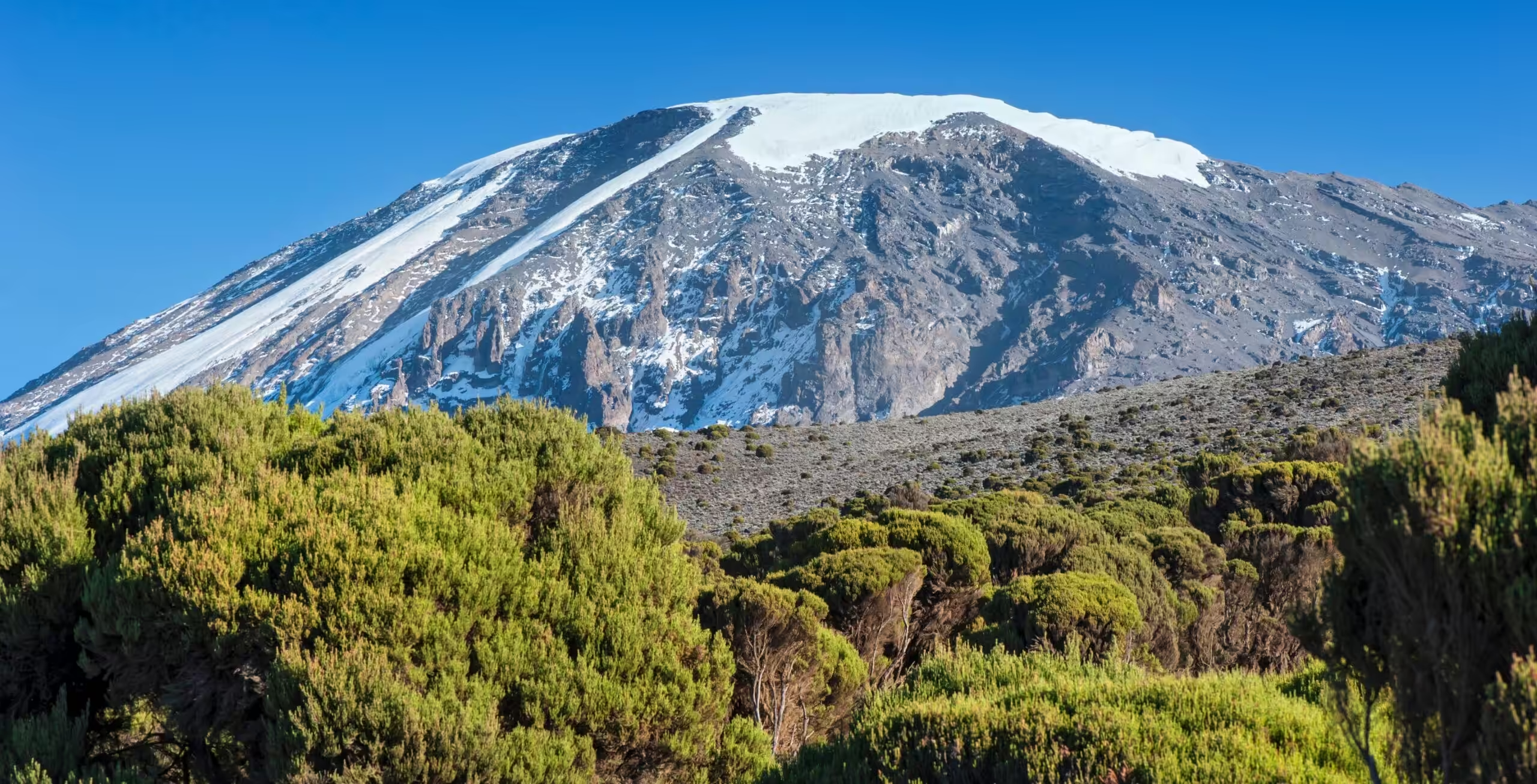
Mount Kilimanjaro is Africa’s highest mountain and the tallest free-standing mountain in the world. Each year it attracts thousands of climbers and adventurers from all over the world. Climbing Mount Kilimanjaro is like walking from the tropical to the arctic in just one week. It is a real challenge due to the altitude and the rate of ascent, but also extremely rewarding.
In 1987 UNESCO listed Mount Kilimanjaro as World Heritage Site because of its natural beauty. The variety of vegetation and landscapes is amazing due to the mountains location and immense height. From tropical rainforest with monkeys and birds to the ‘Roof of Africa’ where you see glaciers and an impressive snow-capped summit. On a classic climb you pass through one vegetation zone every day and a half.
The thrill of reaching the top of the Mount Kilimanjaro after days of walking is amazing. At the summit you are rewarded with breathtaking views of the African savannah and Rift Valley. Climbing Mount Kilimanjaro is absolutely an experience of a life time!
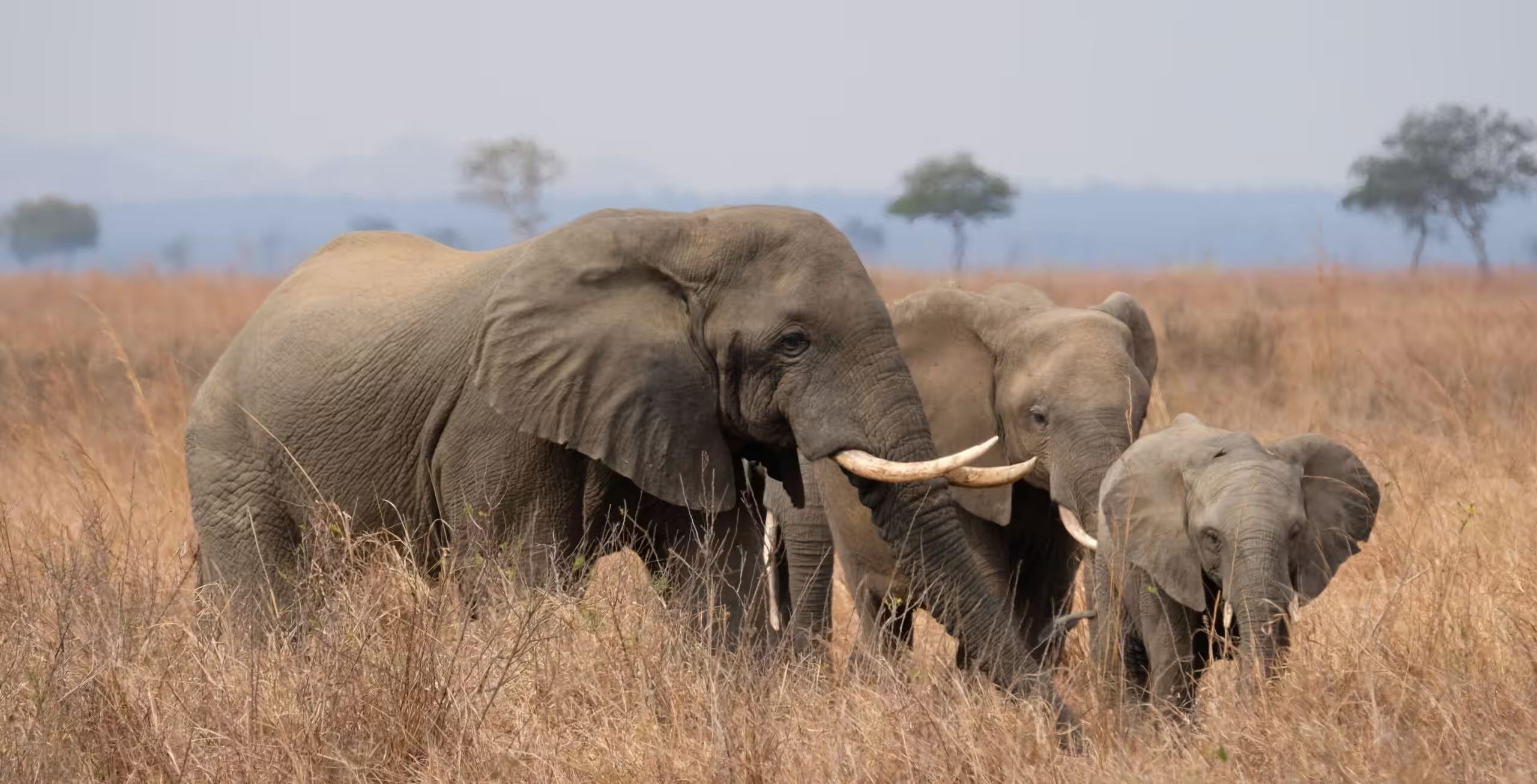
Mikumi National Park is one of the southern national park in Tanzania. Its open horizons and abundant wildlife draws frequent comparisons to the more famous Serengeti Plains. The park borders the Selous Game Reserve to the south and the two areas form a unique ecosystem. The chance that you will encounter lions climbing trees here is greater than in other parks!
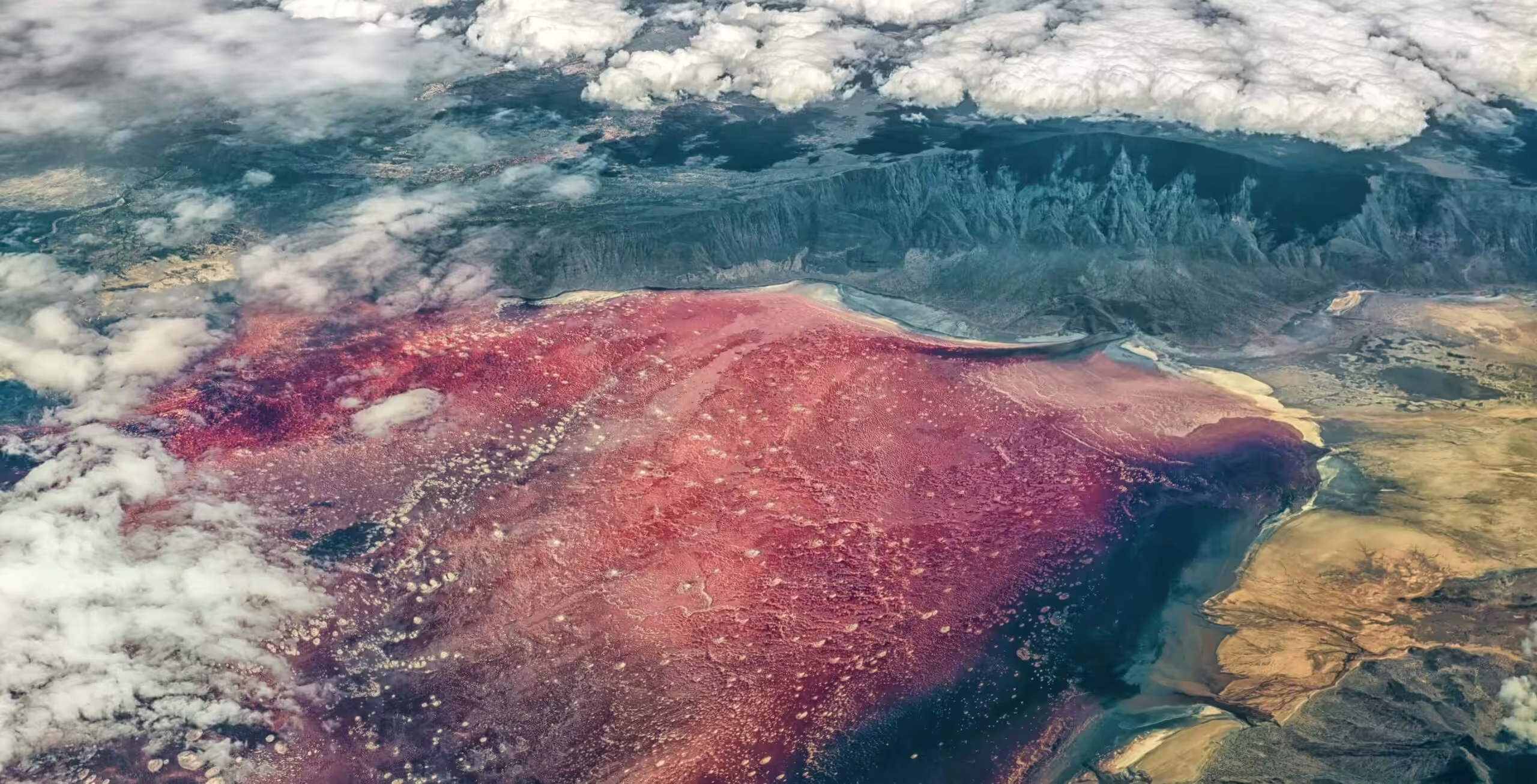
Lake Natron is a salt or soda lake not far from Lake Manyara in northern Tanzania. It is located in the Gregory Rift, the eastern branch of the East African Rift. The lake lays at the foot of the Ol Doinyo Lengai, an active volcano.
Lake Natron is quite shallow, less than three meters deep, and varies in width depending on its water level. The lake is 57 kilometers long and 22 kilometers wide. The area receives irregular seasonal rainfall, mainly between December and May. The temperatures at the lake are often over 40 °C.
As the fresh water evaporates in the lake, water with high concentrations of salt minerals such as sodium and trona remains. The alkalinity of the lake can reach a pH level of more than 12. Special bacteria and blue algae thrive in this environment and form an ideal breeding ground for the life of birds. Such halophilic organisms include some cyano bacteria that, like plants, produce their own food through photosynthesis. The red pigment in those cyano bacteria produces the deep red colors of the lake’s waters and the orange colors in the shallow areas. Salt-loving microorganisms living there are coloring the alkali salt crust on the surface of the lake is red or pink.